
We have been waiting anxiously for frogspawn this year, as this year is different. My son decided to build a pond in his part of the garden,with a view to encouraging wildlife. And the day after we filled the newly dug pond, wildlife came – first came the skaters, then the waterboat men. The beetles scuttled about on the bottom of the pond, and damselflies flew around the top. Twice I watched huge dragonflies lay eggs under the new lily pads. But the ultimate five star rating is whether the frogs think it makes a good nursery.
His timing was perfect as the old pond is not doing so well – a lot due to my neglect – it needs clearing out but also it just isn’t holding water as well as it did – it is a raised pond and frankly I would like to dismantle it, but it did seem hard on the frog, toad and newt population. However, with a new, more naturally designed, easier to get into pond in place, maybe I can.
I have been told by so many people that frogs will only go back to the same pond they were a tadpole in – and I believe this is essentially true – but thinking about that time of year that the garden suddenly becomes completely stuffed with frogs – go out with a torch at night and all you see are eyes looking at you… you have to walk a shuffley walk to avoid frogicide…. I figured that any exhausted self respecting frog making his way up the garden – because, contrary to popular opinion, frogs don’t actually live in the pond they just mate there – and as he or she is hopping along they see an expanse of water, with a lovely easy beach instead of that stupid wall, and all in all .. they would think ‘that’ll do nicely’ and begin their love-in.
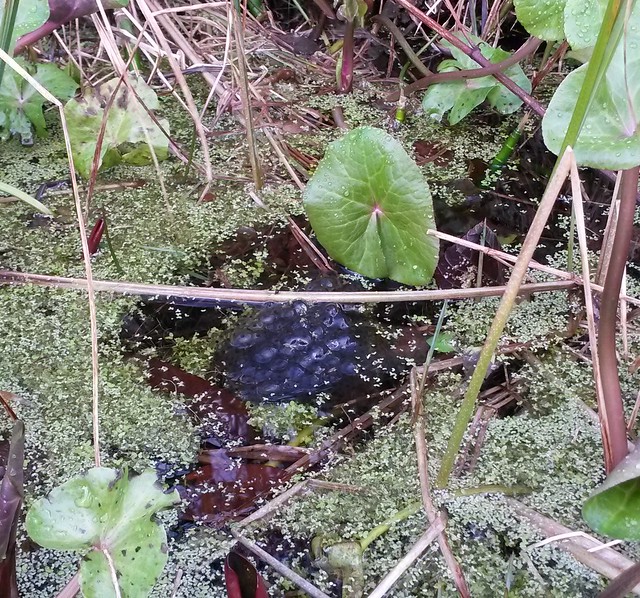
And I figured right, today was the day. We have frogspawn. My son is delighted
So, although not technically the same pond, very close, and I shall add to my recordings. I really will do a graph one day…
2007 14/2
2008 8/2
2009 13/3
2010 21/3
2011 26/2
2012 25/2
2013 9/3
2014 18/2
2015 20/2
2016 02/2
2017 01/02
2018 03/02
2019 18/02


 colour it green